The team of the Institution’s specialists took part in the training on “Strengthening the capacity of the disaster medicine system” in Tokyo, Japan


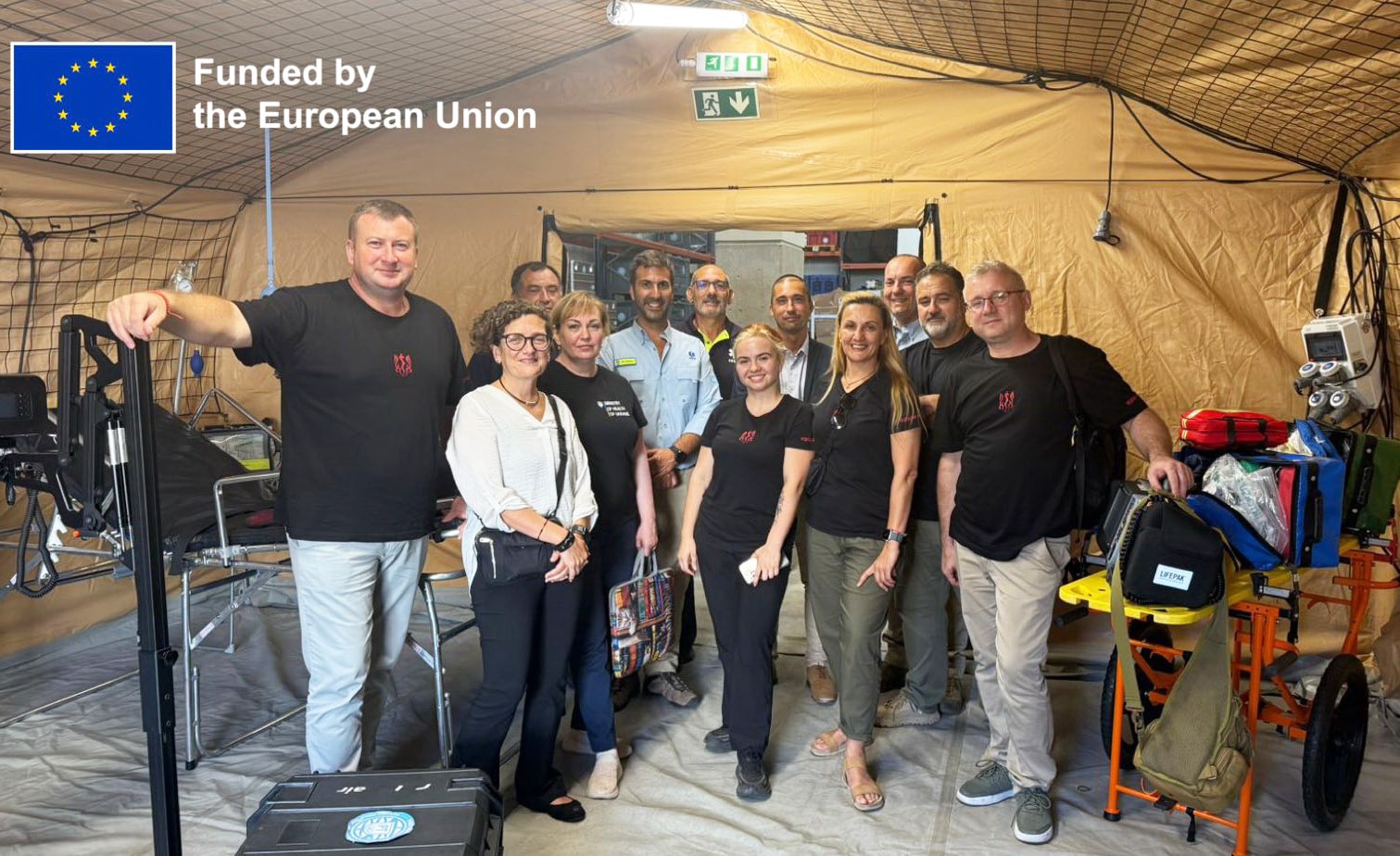
A team of the Institution’s specialists, with the support of the Ministry of Health of Ukraine, took part in a working trip and training on “Strengthening the Capacity of the Disaster Medicine System” in Tokyo, Japan. The participants reviewed the most important areas of the disaster medicine service and discussed the following issues:
1. Creation of disaster medicine teams (brigades).

As part of the process of international classification of the Institution’s national disaster medicine team (EMT) in accordance with WHO standards, we studied the experience of forming such teams in Japan. The information obtained will help us to adopt effective approaches to the formation of EMTs, optimize their work, define modern standard operating procedures (SOPs) and facilitate the exchange of experience in responding to emergencies.
2. Psychological care in disaster medicine.

We worked fruitfully and studied the experience of the Department of Disaster Psychiatry, Tsukuba University (Tokyo), the Japanese Red Cross and the DMORT in JAPAN service in responding and supporting victims and their relatives from the consequences of various emergencies. The borrowed experience of Japan will allow us to develop a strategy for integrating psychological and psychiatric care specialists into our national disaster medicine teams and will enable us to create effective protocols for providing psychosocial support to victims and introduce modern methodologies into this process. The knowledge gained will allow us to improve the efficiency of our system and ensure the necessary level of psychological assistance during emergencies.
3. National Emergency Response Plan, in particular for radiation emergencies.

Japan’s experience in this area is extremely valuable to us, in particular, in organizing a rapid response to an emergency of this level and type, in managing evacuation and in coordinating between various services and agencies. Given the possibility of chemical, biological, radiological risks, we look forward to further cooperation to ensure the quality integration of modern approaches and algorithms to ensure an effective response at the national level in Ukraine. We also considered the adaptation and implementation of advanced technologies and methodologies used in Japan for monitoring, risk assessment and personnel training, which will strengthen the readiness of our disaster medicine system to such threats.
4. Emergency management and monitoring information systems.

The systematic and in-depth approaches of Japanese experts to collecting and analyzing information on resources and responding to emergencies deserve special attention. Japan has long used the Emergency Medical Information System (EMIS) for this purpose, which is constantly updated and optimized. It helps to effectively manage medical supplies at all levels and create so-called medical disaster maps. This experience is especially valuable as we have started the process of modernizing the systems for collecting and analyzing information on emergencies and resources of the disaster medicine system, which will allow us to respond effectively to emergencies of various kinds and help develop the best tools for this purpose for use in Ukraine.
We are grateful to the representatives of JICA and DMAT for the opportunity to learn about Japan’s experience in emergency response and look forward to further fruitful cooperation and support from our Japanese colleagues in implementing the knowledge gained. The experience gained allowed us to systematize what has already been done and plan the next steps and actions to optimize the processes of building a modern disaster medicine service in Ukraine.