Since 2019, we have been systematically and consistently implementing simulation training as an educational component of postgraduate training for emergency medical personnel!


Our approach is structured and multi-component, aimed at training highly qualified medical professionals who are able to act effectively in emergency situations. We are convinced that this approach ensures consistent development of knowledge, skills and abilities, forming a sustainable basis for the professional growth of emergency medical professionals.
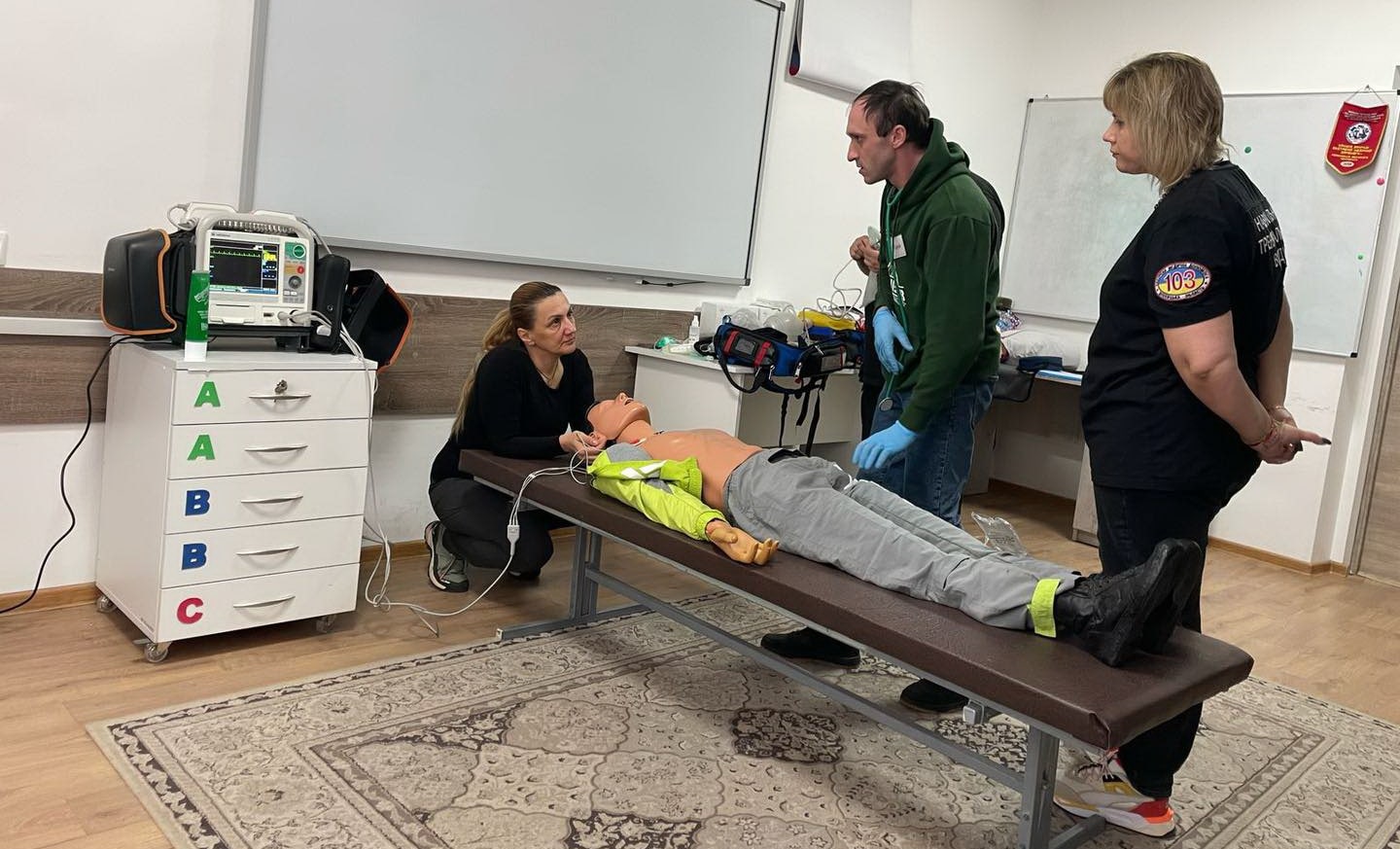
Simulation training has become an integral part of our training system. This is not just training – it is the closest possible practice of skills, allowing future specialists to gain practical experience in a safe environment. We work through scenarios that simulate real clinical situations, helping specialists develop critical thinking, reaction time, and teamwork skills.
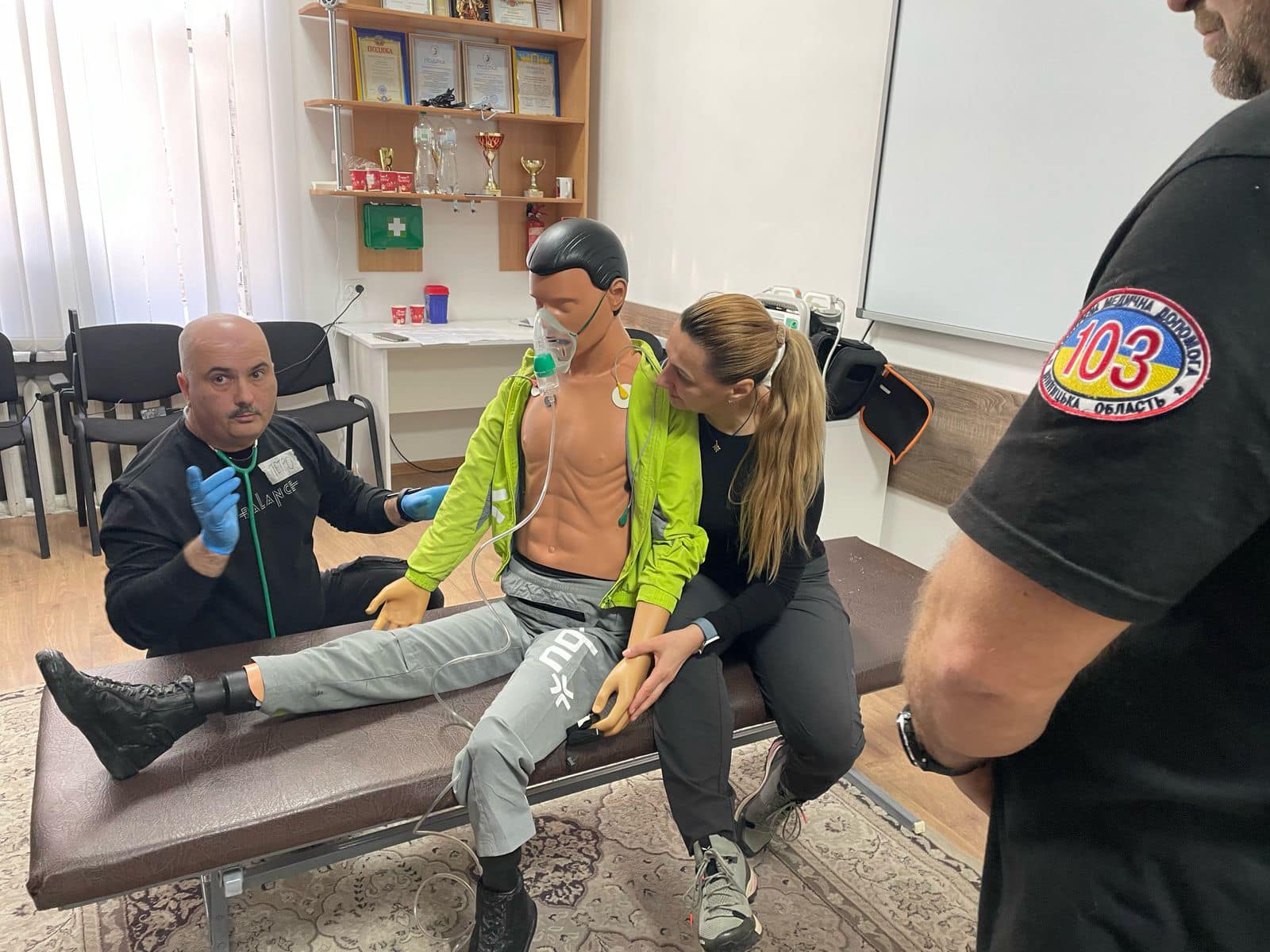
The training departments of emergency medical centers play a special role in this. They have become centers of modern educational approaches, where the necessary skills are practiced and professional competencies are developed. These departments are equipped with modern simulators and interactive training materials to create realistic training conditions.
Our instructors are not just teachers. They have gone from a provider to a certified instructor, with vast practical experience and a deep understanding of learning processes. These are people who know how to teach effectively because they have gone through all the stages of training and certification themselves.
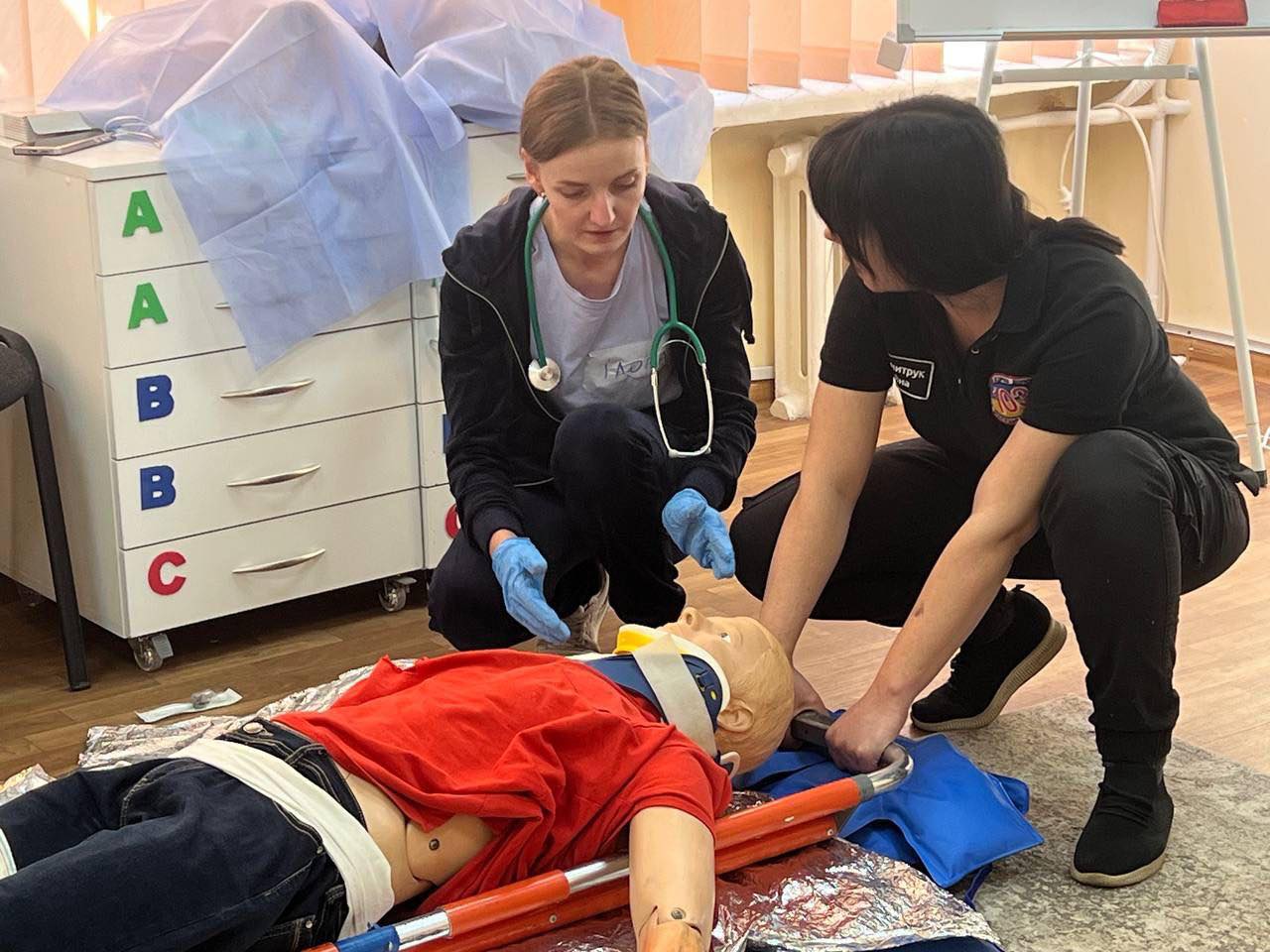
The Ministry of Health of Ukraine, with the support of international organizations (ICRC, WHO, WB), has invested in the development of instructor capacity, providing them with training in accordance with international standards, which guarantees a high level of education and training of future medical professionals.
The final stage: quality control.
In February 2025, we took an important step forward by introducing the final element of this system – quality control – an integrated practical exam!
This means that every stage of learning will now be carefully evaluated and improved to ensure the most effective educational process.
Why is it important?
Quality control allows: Maintain a high level of training for medical professionals. Quickly adapt programs to modern requirements and changes in medicine. Ensure continuous development and improvement of skills.
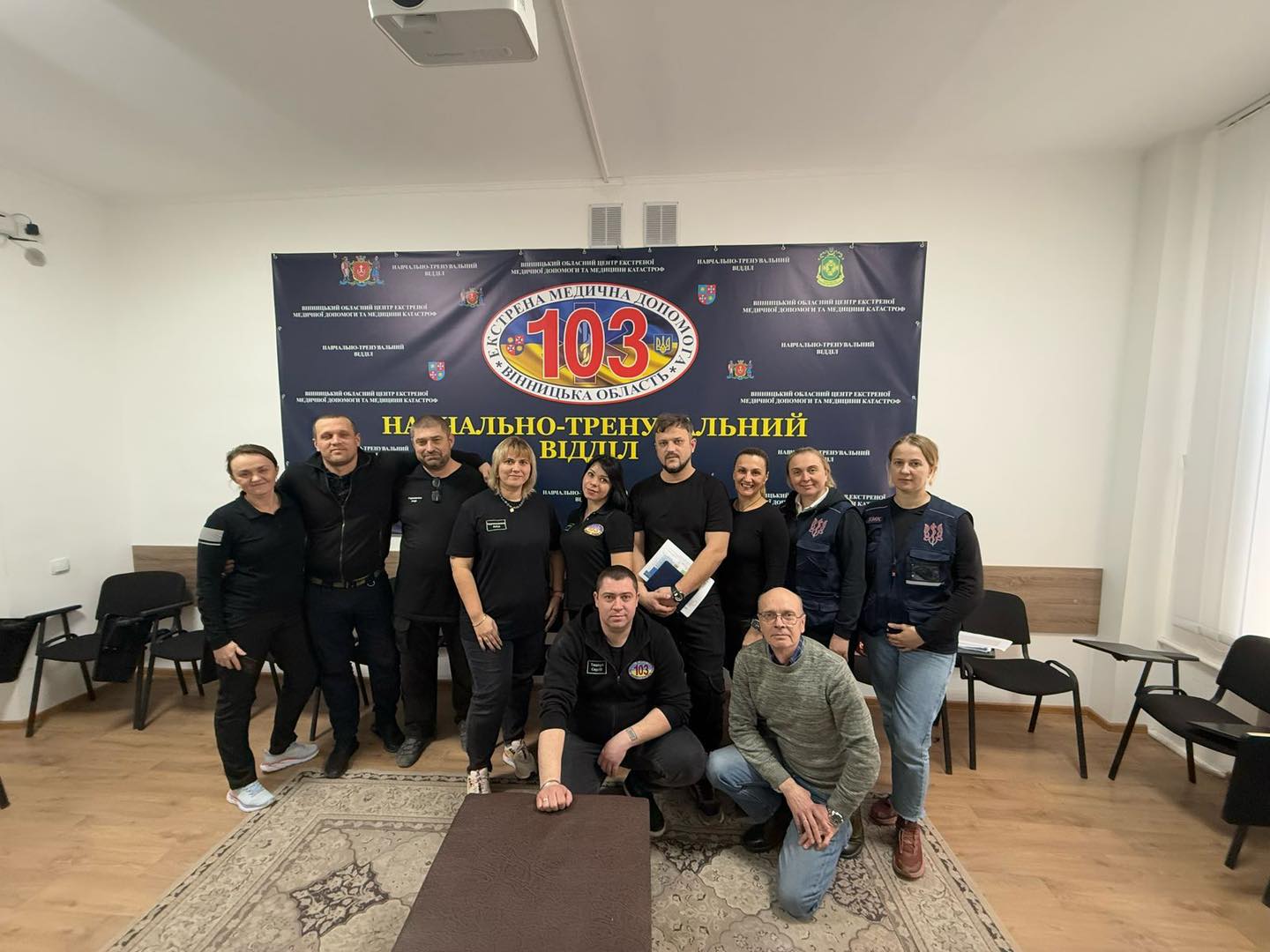
Thus, we have created an integrated simulation training system that is able to function properly, develop over time, and constantly improve.
We are ready for new challenges and achievements!
We continue to move forward, shaping the future of medical education.
Website of the Ministry of Health of Ukraine