The staff of the Institution conducted monitoring visits to assess the organization of emergency response


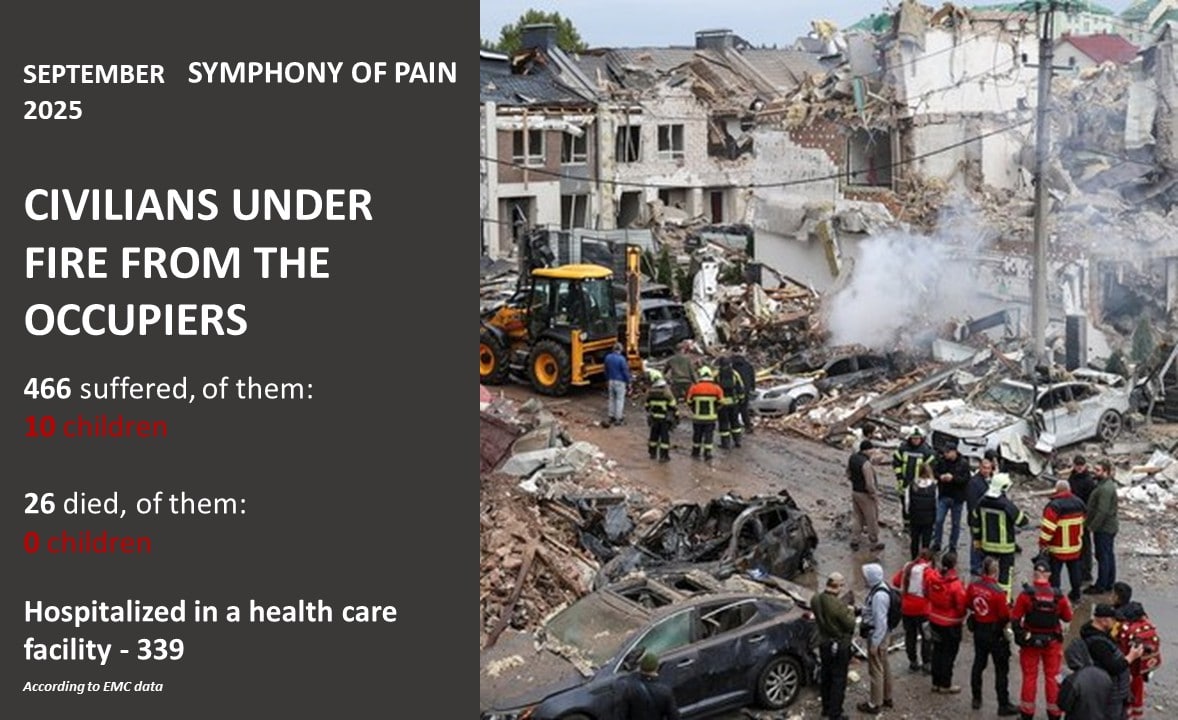
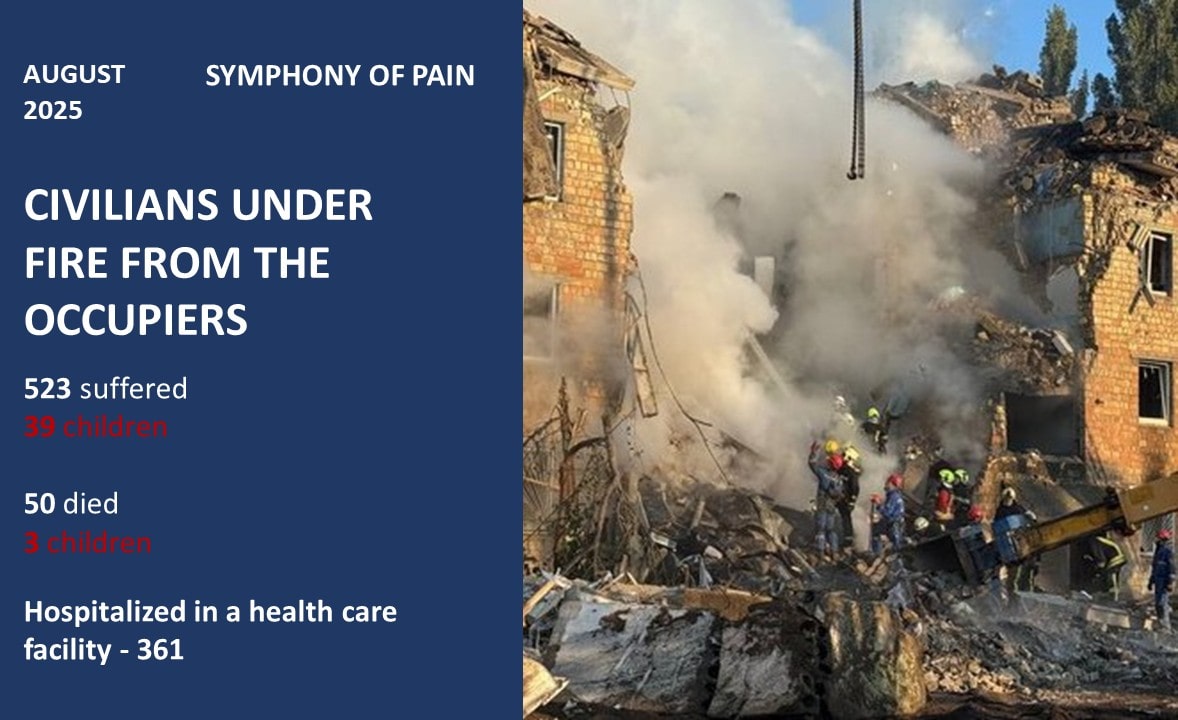
In order to analyze and evaluate the organization of emergency response processes related to massive influxes of victims, the staff of the Institution conducted monitoring visits to Dnipro, Luhansk, Donetsk and Zaporizhzhia regional centers for emergency medical care and disaster medicine.
Key aspects of monitoring:
1. Material and technical support:
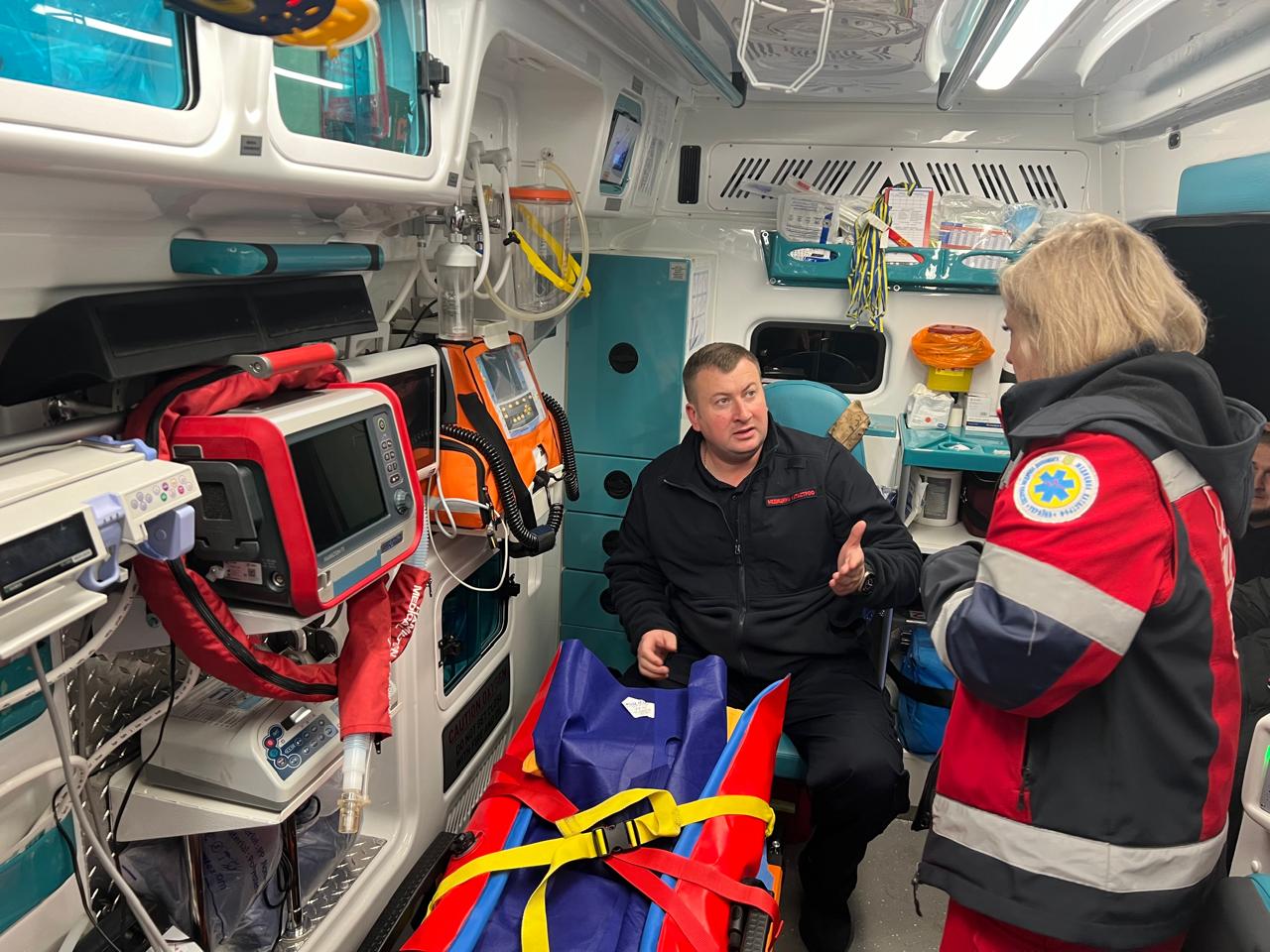
• An analysis of the availability of medicines reserves, including emergency medicines, hemostatic agents and other necessary medicines, was conducted.
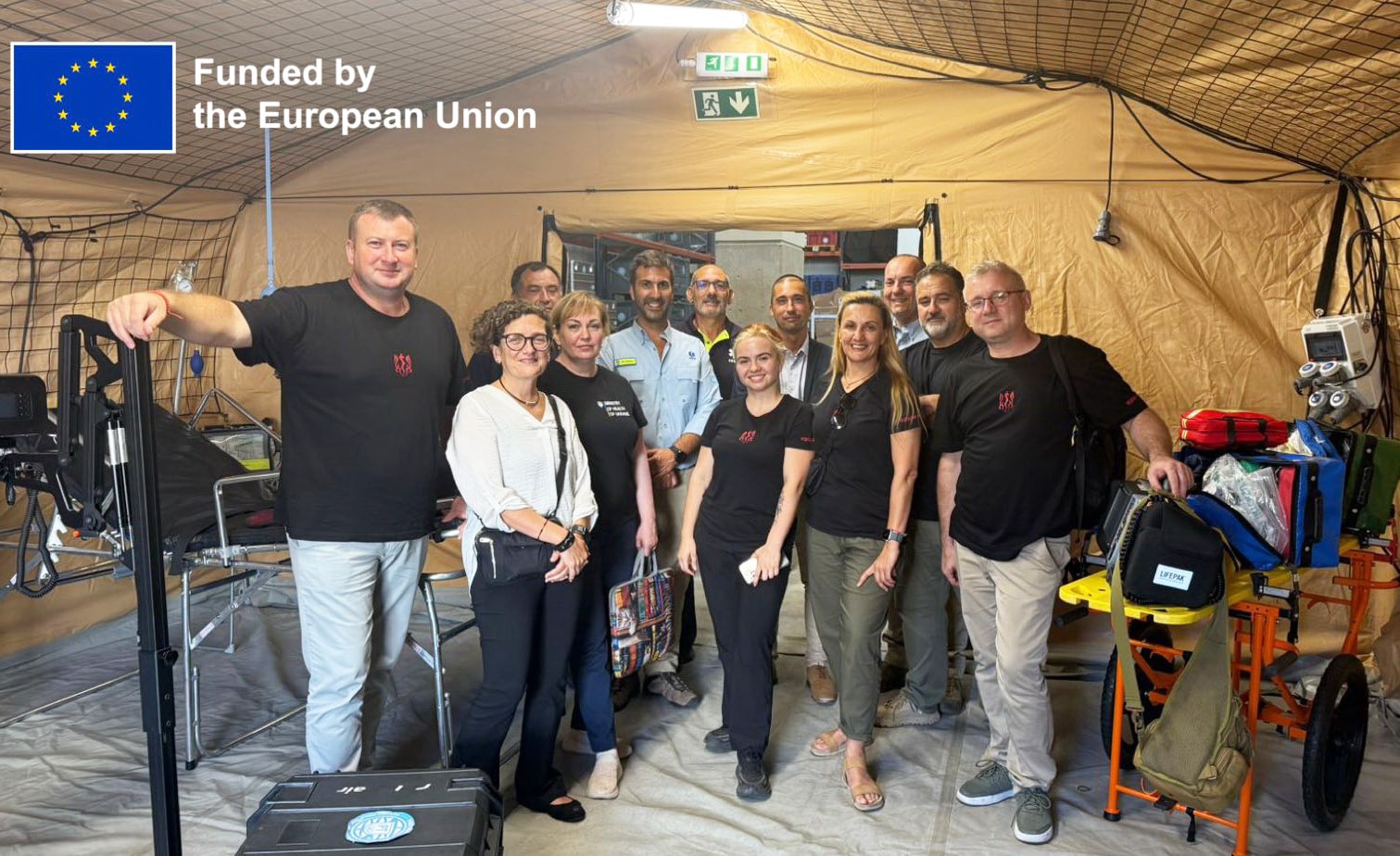
• The condition of the equipment, including defibrillators, ventilators, patient monitors, etc. was checked.
• The level of readiness of reserve warehouses of medicines and equipment for use in cases of massive influxes of victims was studied.
2. Organization of work:
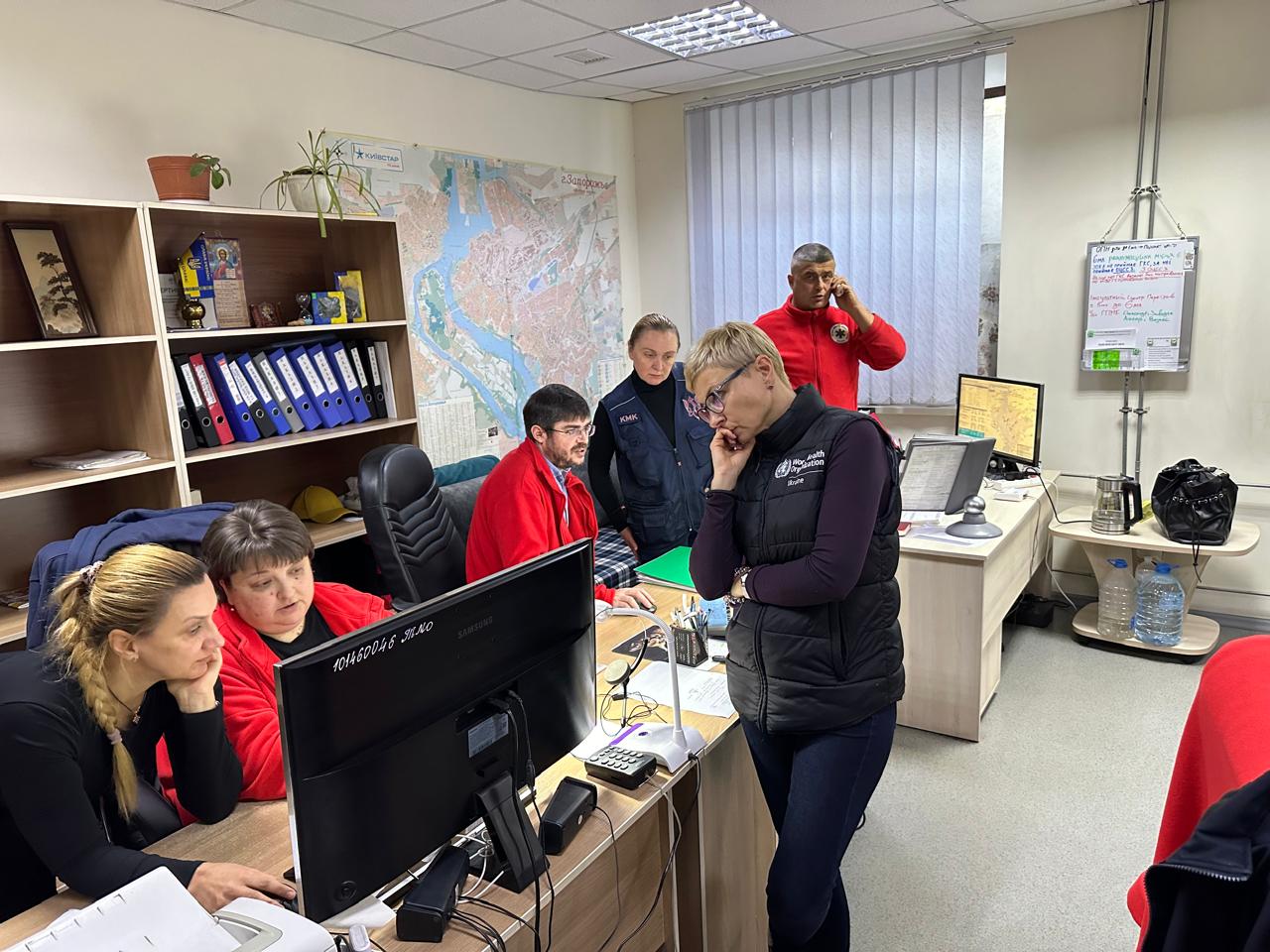
• The algorithms of interaction between the structural units of the CEMD and the MC, as well as the efficiency of responding to emergency calls, were evaluated.
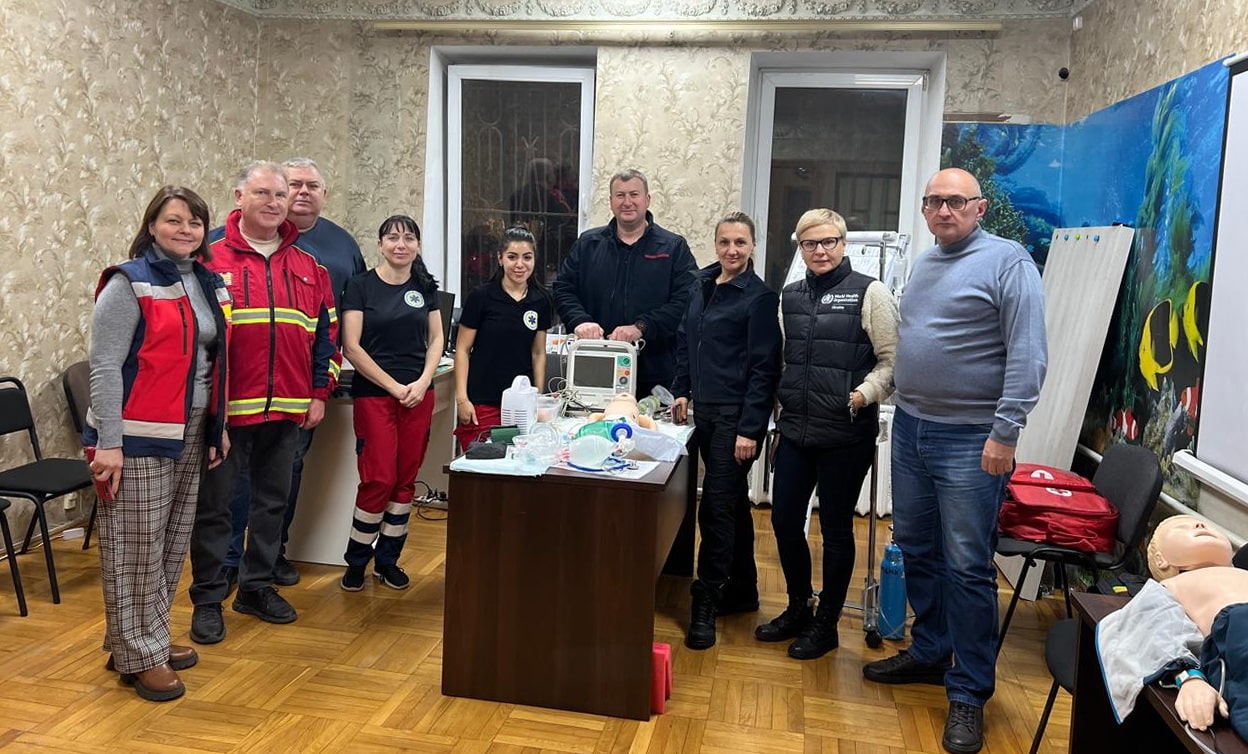
• The organization of the work of disaster medicine teams, their staffing, level of training and equipment for work in the high-risk area were checked.
• The availability and condition of personal protective equipment (bulletproof vests, helmets, medical kits with a full set of equipment) was analyzed.
3. Security aspects:
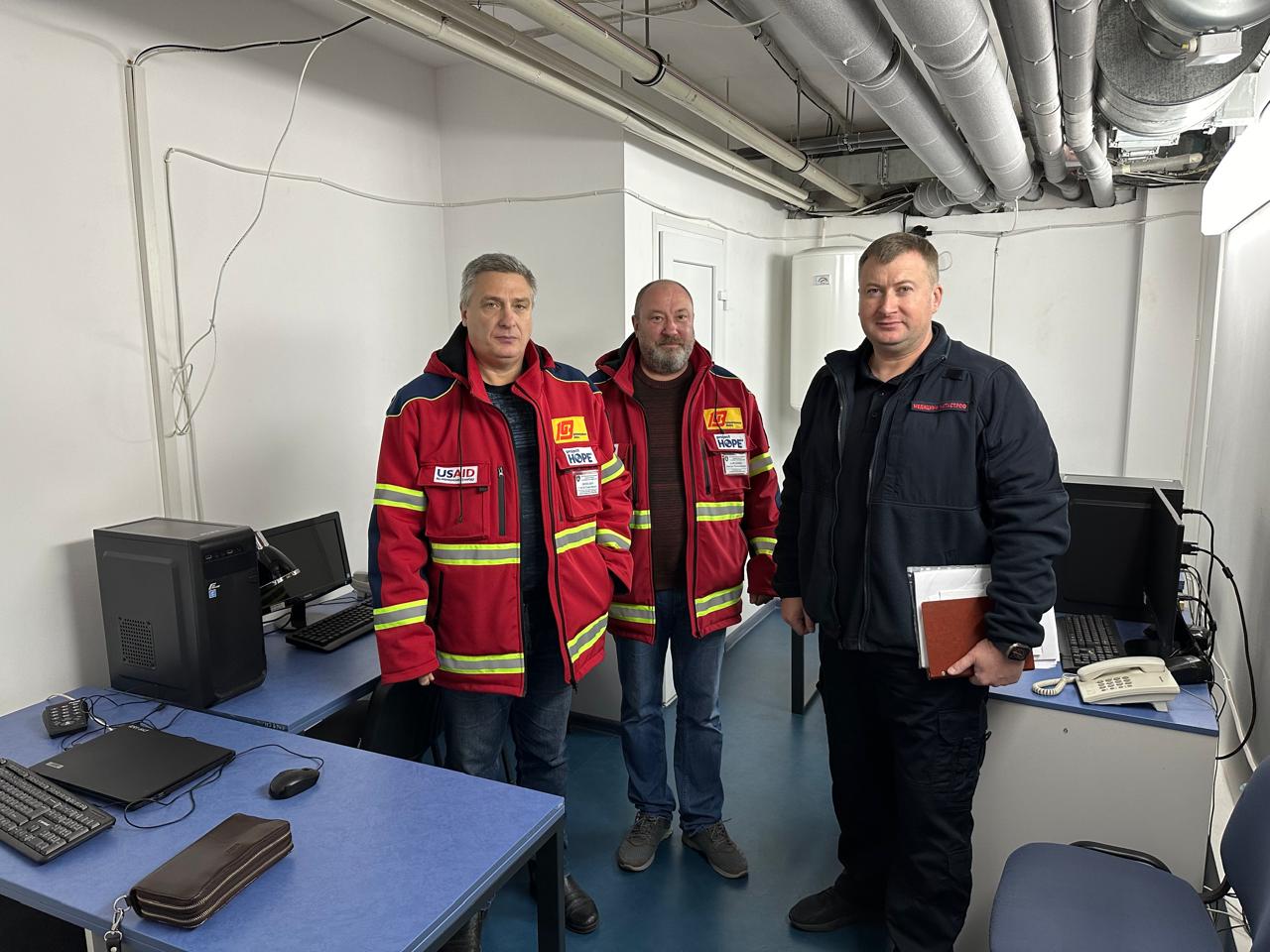
• Safety conditions for personnel were assessed, including the availability of shelters in the premises of the EMC and the possibility of using them during air raids or shelling.
• The availability of backup power sources (generators) and their readiness for use were checked.
• The availability of communication equipment, including walkie-talkies, satellite phones and other technologies for prompt information, was studied.
4. Equipment of the facilities:

• The condition of the ambulance fleet and its suitability for transporting large numbers of victims was assessed.
The monitoring revealed both positive aspects in the work of the centers and problematic issues that need to be addressed. The following recommendations were made:
• Replenishment and regular updating of medicines and equipment reserves.
• Conducting additional training for staff, taking into account current challenges and algorithms of work in the context of disaster.
• Ensure adequate security for healthcare workers, including access to shelters and protective equipment.
• Implementation of modern communication systems to ensure uninterrupted coordination of actions.
These measures are aimed at strengthening the capacity of the emergency medical care system to provide timely and high-quality assistance to victims of emergencies.